
Everything You Always Wanted To Ask About Menopause and More…
 By Dr. Josh
Menopause
By Dr. Josh
Menopause
September is Menopause Awareness Month! It always surprises me how little most people know about menopause and perimenopause. Menopause is a normal life transition that occurs in all women after her reproductive years, and yet many women don’t know how to recognize the signs of menopause or perimenopause or find remedies to some of their most common symptoms. Even many physicians remain in the dark about the real facts regarding menopause and perimenopause.
I’m here to change all that. Consider the following discussion an in-depth guide to everything you always wanted to know about menopause and perimenopause. As a sexual health specialist, I get questions all the time about these topics. Below are some of the most common questions I get asked. Hopefully, you’ll walk away feeling more comfortable and better educated about what to expect from menopause.
But first, some important points to remember…
- Menopause and perimenopause are continuous with one another. The symptoms of each stage are similar. In a way, you can think of perimenopause as “menopause lite.” Perimenopause occurs first and often the symptoms can be more subtle than those women experience in menopause. For the sake of brevity, I may use the terms perimenopause and menopause interchangeably below.
- All women go through menopause. It’s a fact of life, just like puberty and adolescence. It’s the stage of a woman’s life after her reproductive years cease and can last decades so it’s important to understand as much as you can about it. Knowledge about menopause can be empowering and help you better adjust to this new stage in your life.
Now let’s get to those questions…
-
At what age do most women go through menopause and how do I know if I’ve reached that point?
The average age that women start menopause is 51, with most women experiencing this change between ages 40 and 58, but women can certainly start the process years earlier. Menopause is defined as the end of the reproductive years and women are considered to be in menopause once menstruation has been absent for 12 consecutive months. However, physical changes that occur during menopause can begin years before a woman’s last period during a transition phase called perimenopause. Perimenopause can precede menopause by 4 to 8 years.
-
Why do some women go through menopause earlier than others? Is there any way I can delay menopause?
There are a number of factors that influence the age at which a woman starts menopause. Genetics is probably the most important predictor of menopausal age. If a woman’s mother started menopause earlier, she has an increased risk of going through early menopause also. Smoking and other environmental factors can influence the timing of menopause, with smokers typically starting menopause about 2 years earlier than their non-smoking counterparts. Menopause can also result from certain medical or surgical interventions. Surgical removal of the ovaries and/or uterus or treatments such as radiation or chemotherapy can induce early menopause.
-
What causes the changes women experience during menopause?
The short answer: hormonal deficiency. Hormones are crucial for normal function of the female body but slowly decline through the years. During perimenopause, women may start to experience symptoms related to hormone irregularity. Once in menopause, hormonal production comes to a near grinding halt. Typically, estrogen (or lack thereof) is labeled as the primary hormone responsible for menopausal symptoms. But deficiencies in testosterone and progesterone also play an important role.
-
What are the most common symptoms of menopause?
Spotting the beginnings of menopause can be tricky, especially during the perimenopausal years because the changes can be subtle. Here is a comprehensive list of perimenopausal and menopausal symptoms that women can experience:
- irregular periods
- bloating, weight gain + slowing of metabolism
- thinning hair + drying of skin
- loss of breast fullness
- hot flashes
- osteoporosis + muscle aches
- cardiovascular disease
- decrease in or lack of libido
- pain with sex
- decreased lubrication
- persistent urinary urgency, frequency, or other irritative urinary symptoms
- recurrent vulvovaginal or urinary tract infections
- mood lability + increased anxiety
- orgasmic dysfunction
- difficulty sleeping

-
How can my doctor tell if I have started menopause?
As I mentioned above, diagnosing menopause can sometimes be complicated. If you are experiencing any of the aforementioned symptoms, even if you’re considered “too young for menopause,” say something to your doctor.
Your doctor can perform a careful physical exam and do diagnostic testing that can help make the diagnosis. They should exam your genital tissues carefully. On exam, these tissues in a perimenopausal or menopausal woman appear atrophied, chronically red, and irritated. A vaginal swab may also confirm that there has been an increase in vaginal pH, another common finding in menopause.
Certain laboratory tests can also be helpful in making the diagnosis of perimenopause or menopause. Classically, a woman’s FSH remains elevated and her estradiol (the body’s primary estrogen) remains low when she is in menopause. But both of these hormones can fluctuate a great deal during a woman’s reproductive years, so relying on a single snapshot may be misleading. For example, a low FSH level in a woman having hot flashes and changing periods does not reduce the likelihood that she may be in perimenopause. Thyroid disease can also mimic perimenopause so it is important to screen for this as well.
-
What are some “natural” treatments for menopausal symptoms?
For a variety of reasons, many women are interested in trying to cope with perimenopausal or menopausal symptoms through “natural” methods. I fully support one’s decision to make reasonable behavioral modifications or lifestyle changes to help ward off the effects of menopause. Here are some ways to do just that…
- Relax and chill. Finding methods to help your mind and body relax can prove very helpful in addressing symptoms of menopause. Consider deep-breathing exercises, massage, meditation, and mindfulness. These can all help calm mood and anxiety fluctuations that are common during menopause.
- Eat healthily. A woman’s dietary habits become exceptionally important during perimenopause and menopause. Make sure to stay up on your calcium and iron, which both become increasingly deficient as a woman ages. Phytoestrogens are compounds in certain foods—like soybeans, chickpeas, peanuts, flax seeds, grapes, and berries—that act as weak estrogens in your body. These have been shown to slightly raise estradiol levels and help reduce the incidence of hot flashes. Eating plenty of fiber, minimizing salt intake, drinking plenty of fluids, and consuming more protein, are a few more tips for eating a menopause-friendly diet.
- Break a sweat. Aside from staving off weight gain that can occur in menopause, regular physical exercise is beneficial for a host of other reasons. Exercise can help reduce stress. It helps maintain bone and muscle strength. It can even reduce the metabolic risks associated with declining estrogen levels. Activity regimens should aim to incorporate aerobic exercise, strength training, and balance work.
I do not routinely recommend specific menopause supplements, with the exception of basic vitamins and minerals, because there are very little data demonstrating a significant improvement in menopausal or perimenopausal symptoms with the use of supplements. Some examples that I get asked about regularly include wild yam extract, flaxseed, St. John’s wort, black cohosh, ginseng, Dong Quai, soy, and DHEA. There are very few randomized controlled trials studying these various supplements, so my advice to women considering these is always to proceed with caution and ask your physician for advice. Just because supplements are available over-the-counter does not mean they are safe and/or effective.
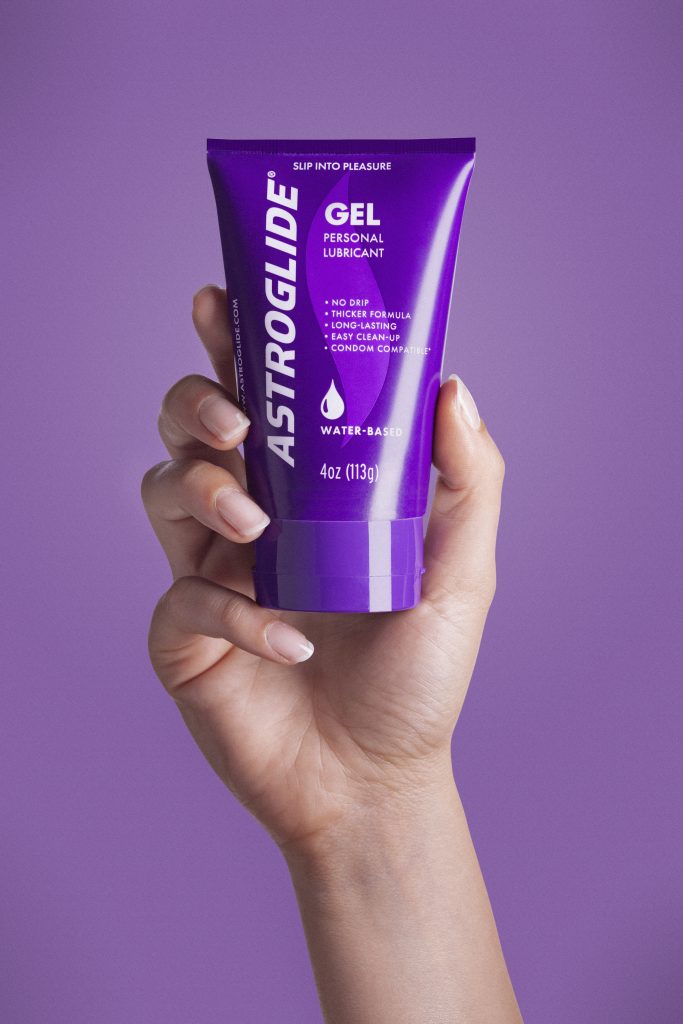
Another non-hormonal tip for improving menopause is to incorporate vaginal lubricants and moisturizers. Lubricants (like this) and moisturizers can be helpful in tackling some of the more common genitourinary symptoms of menopause. Both lubricants and moisturizers are available without a prescription and can help improve vaginal moisture and decrease pain during intercourse or other sexual activity. Well lubricated and moisturized vulvovaginal tissue can even help reduce urinary urgency, frequency, and urinary tract infections. Because not all vaginal lubricants and moisturizers are created equal, consider discussing options with your doctor before trying one on your own.
-
Is hormone replacement therapy safe?
This is undoubtedly the question I get asked most often. Women and frequently their physicians have so many misconceptions about hormone replacement therapy (HRT). These beliefs are largely based on data published in the early 2000s from a clinical trial known as the Women’s Health Initiative, which initially suggested that women on HRT were at increased risk of heart disease, stroke, blood clots, breast cancer, and dementia when compared to a placebo group. Longer-term analyses have found little to no difference between the two groups and one recent study found that women without a uterus treated with estrogen therapy alone actually had a lower risk of breast cancer incidence and mortality. Unfortunately, these more recent data are not widely appreciated.
Trust me: hormone replacement therapy is not dangerous, especially when regulated and monitored closely. Consider this: would your physician think twice about treating your diabetes or thyroid disease? Surely not. They would readily prescribe the appropriate amount of insulin or thyroid medication and adjust your regimen during regular follow up visits. HRT should be no different. When prescribed in a similar manner, HRT is safe and can have a profound effect on a woman’s quality of life.
Traditional HRT regimens often replace systemic deficiencies in estradiol and progesterone, ignoring the importance of testosterone because it is mistakenly considered a “male hormone.” Nothing could be further from the truth. Testosterone is crucial to so many functions in a woman’s body: maintaining energy, muscle strength, and libido, supporting bone health, and preserving genital tissues like the clitoris and vestibule. A comprehensive regimen of systemic testosterone, estradiol, and progesterone can dramatically improve many, if not all, of the menopausal symptoms we discussed above.
I hope this discussion about perimenopause and menopause has been helpful. I want to leave you with a few take-home tips to remember…
- If you are experiencing any of the symptoms we mentioned previously, you are not alone. Every woman goes through the same process. Talk to your friends, discuss what you’re going through with your family, seek help from a medical professional. Frequently the symptoms of perimenopause and menopause are easier to solve when confronted early.
- Find a menopause expert. As suggested earlier, many physicians are misinformed or poorly educated on the nuances of menopause. Consider the expertise of gynecologists, endocrinologists, urologists, pelvic floor physical therapists, and mental health providers and ask them about their experience treating women in menopause.
- Choose menopause treatments that make the most sense for your individual situation. There are many options out there. Consider combining HRT with lifestyle and behavioral modifications, but at the end of the day do what addresses your specific needs best and will allow you to live the most fulfilling menopausal life possible.
Dr. Josh
ASTROGLIDE’S SEXUAL HEALTH ADVISOR
Joshua Gonzalez, MD, is a board-certified urologist who is fellowship-trained in Sexual Medicine and specializes in the management of male and female sexual dysfunctions. These include issues surrounding hormone deficiency, menopause, sexual arousal, orgasm, ejaculation, libido/desire, sexual pain, penile curvature, and erectile function. Throughout his career, Dr. Gonzalez has focused on advocating for sexual health and providing improved healthcare to the LGBTQ community.